Fuel Cell Data Center Power Solution – GE-HT

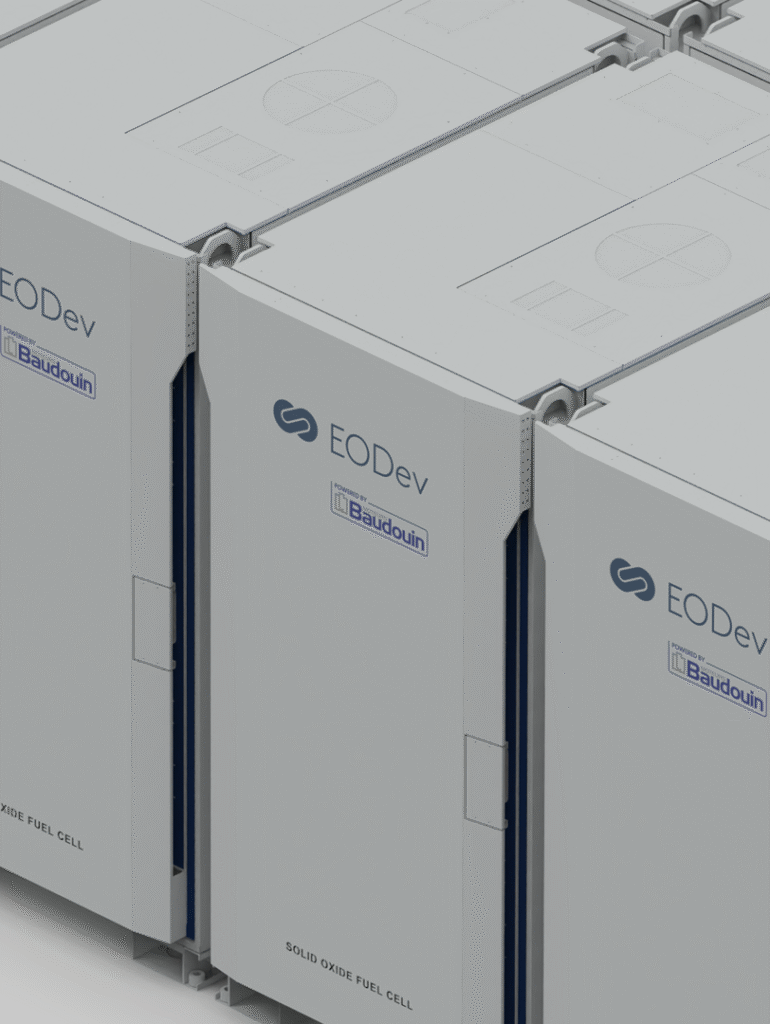
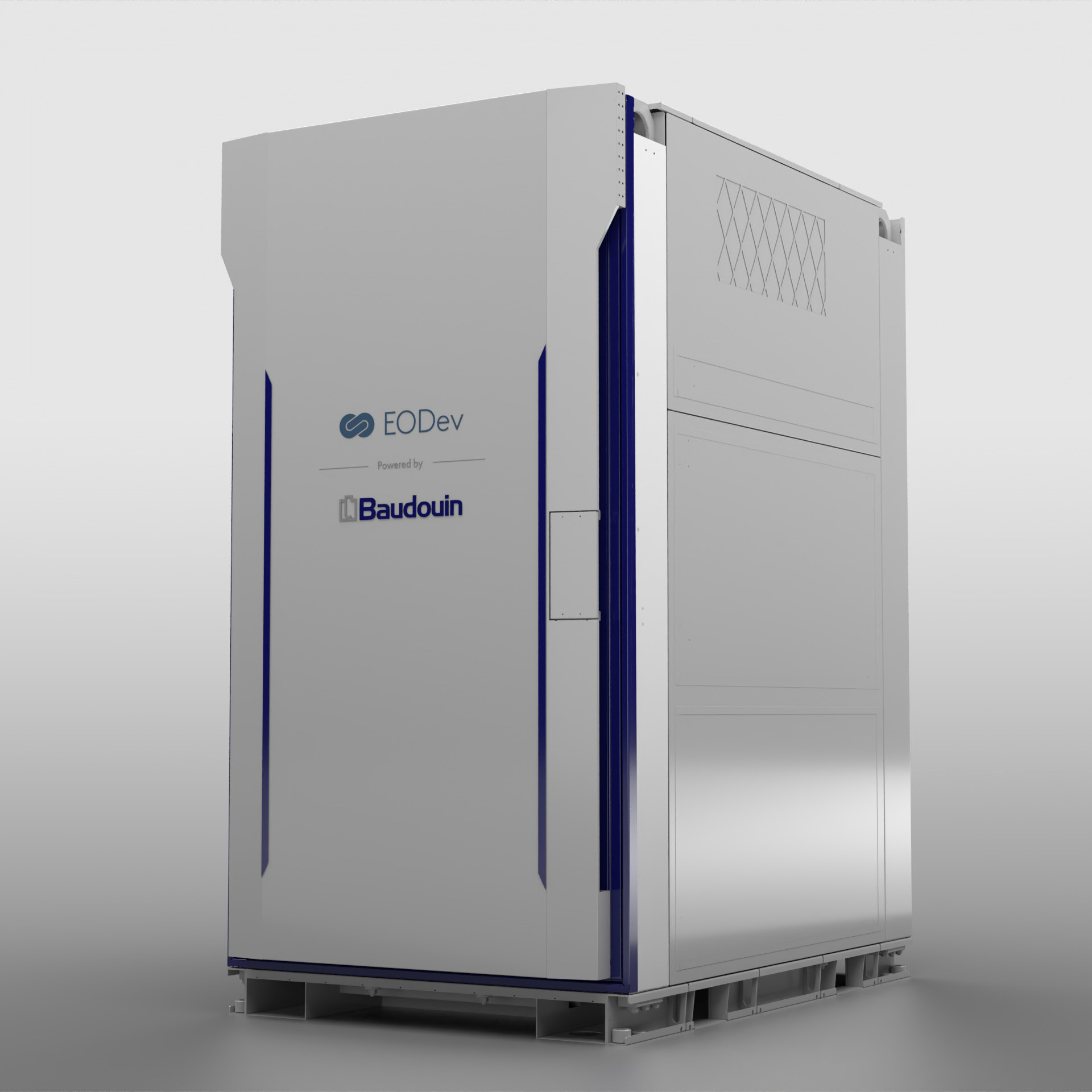
GE-HT delivers data center power solution built on solid oxide fuel cell (SOFC) technology, for a resilient supply 24 hours a day, 7 days a week. Designed as prime power for isolated sites or sites not yet connected to the electrical grid, it adapts to the energy profile and constraints of each installation. Data centers, new buildings, utilities: stop waiting for your connection.

Powerful low-emission data center power solutions
SOFC global technology

Silent

High performance & low impact

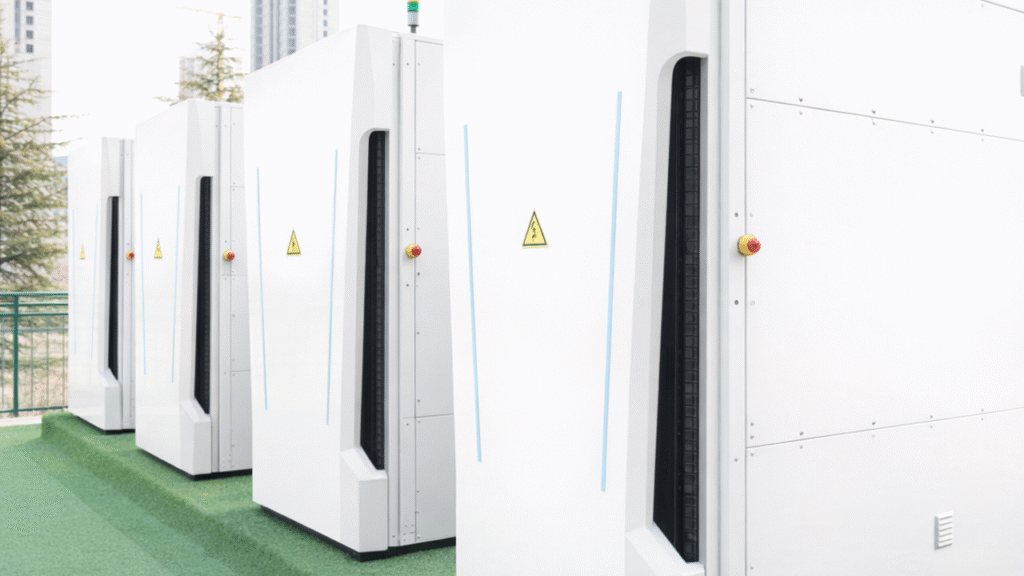
With an electrical efficiency exceeding 60% and a Combined Heat and Power (CHP) efficiency of 85%, GE-HT is one of the most efficient generators on the planet. Silent, the GE-HT operates without disruption at 70dB, the equivalent of a normal conversation.

Fuel Flexibility

Dual-fuel readiness

Run on Natural Gas today to progressively blend hydrogen in your feedstock. GE-HT’s advanced Fuel Processing Unit (FPU), integrated directly after your gas metering, is a master of transformation that adapts to your infrastructure and timeline.

Predictive intelligence

Power management system

Don’t just manage your power, master it. Every GE-HT system is backed by a Digital Twin Platform. This isn’t just monitoring, it’s an intelligent health management system that works in the background, identify and resolve maintenance needs before they become downtime.

On site power solution for data centers and high-demand sites
Efficient

A 24/7 baseload power supply

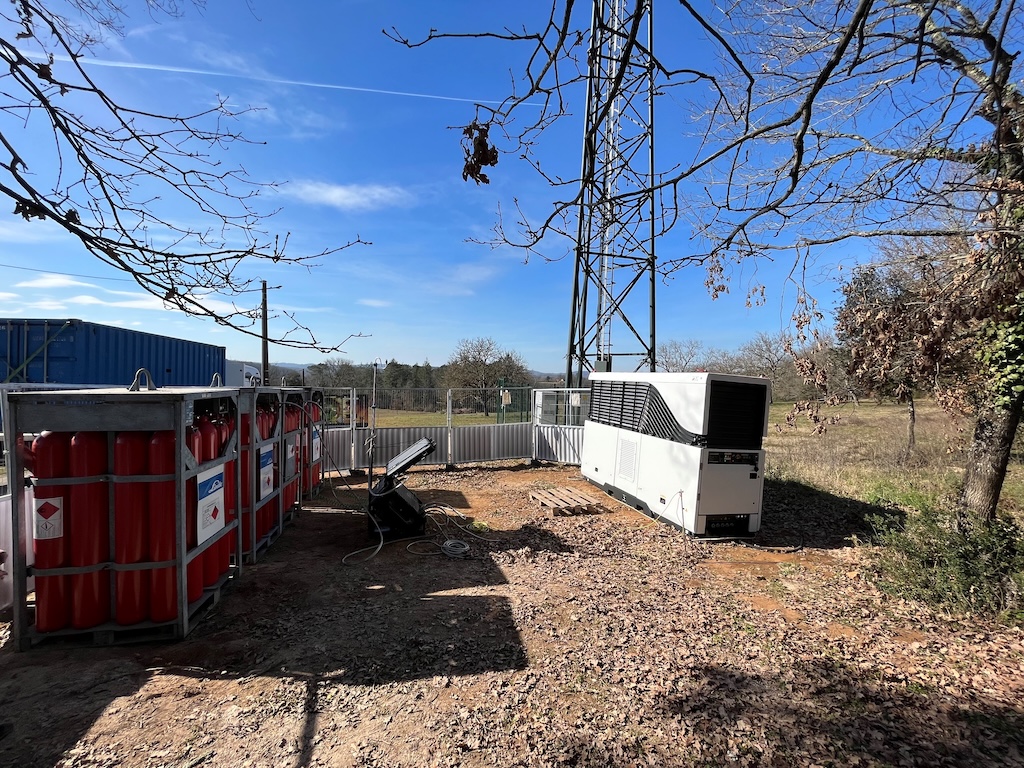
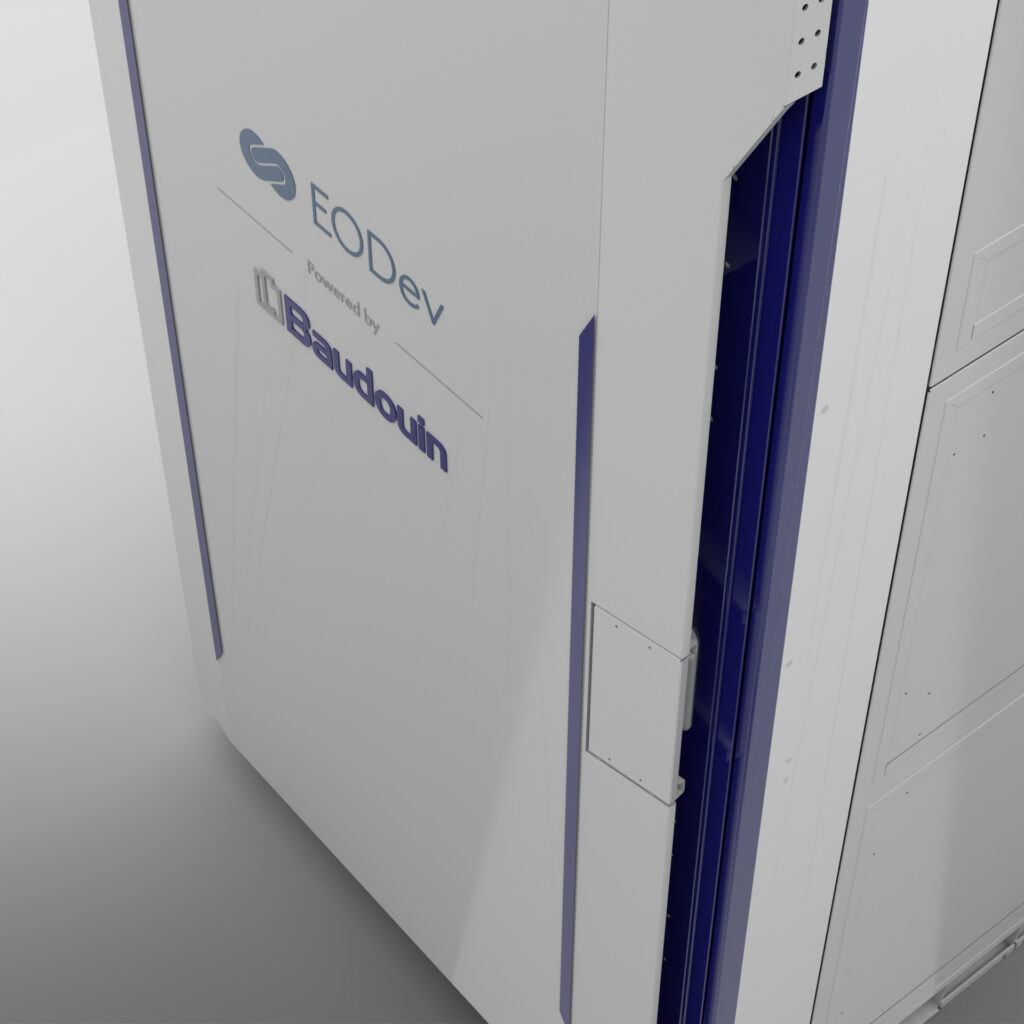
GE-HT has been designed to give a tailor-made energy response to any sites and infrastructure off-grid. No need to wait for months or years anymore being connected, you now have the power expected for new building, data centers and high demand industries with this new innovative and evolving system.
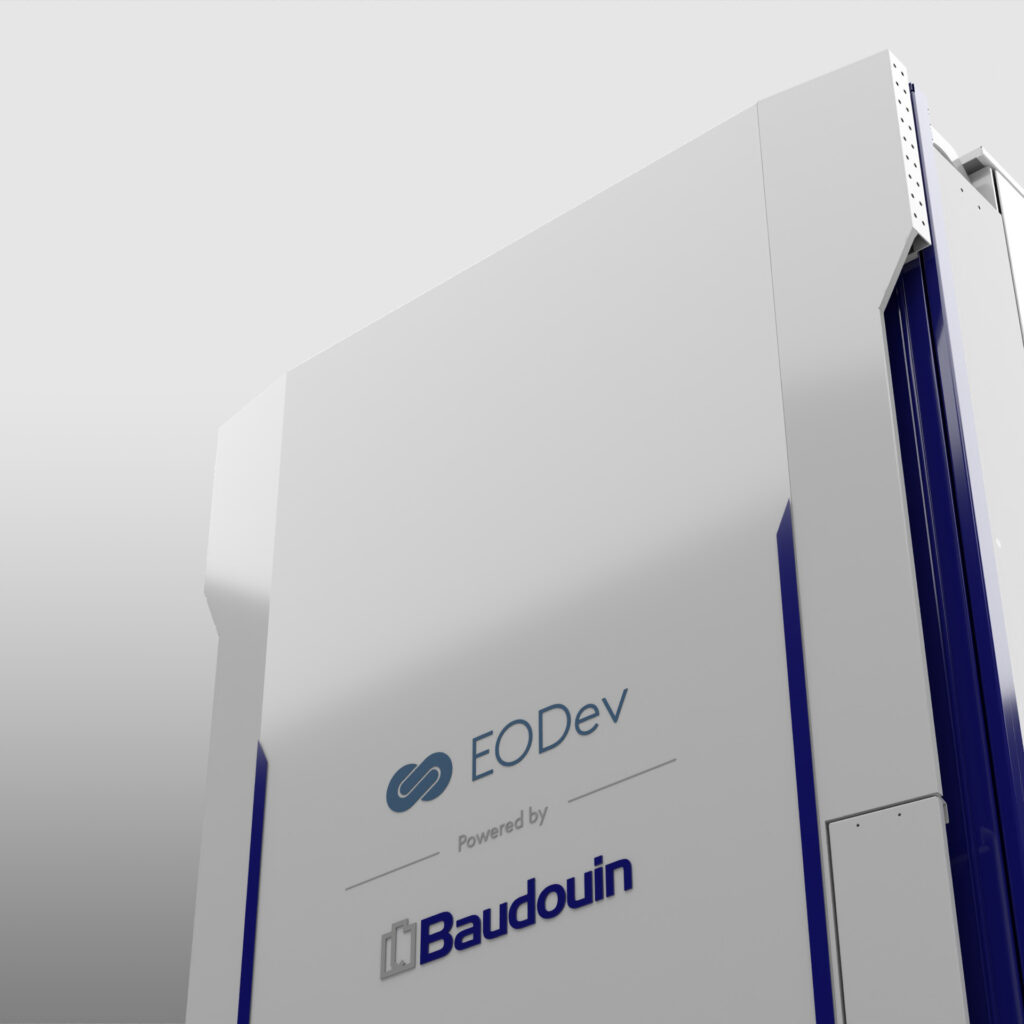
Flexible

One solution, several usable fuels

Thanks to a dual-fuel readiness, GE-HT can run on natural gaz, biomethane today and hydrogen tomorrow. Achieve immediate carbon neutrality and don’t wait for the hydrogen grid to catch up to your ambitions. In addition, GE-HT can be integrated seamlessly into urban environments, hospitals, and office parks without the roar of traditional combustion.
Scalable

Tailor made high power and efficiency

Each power unit as 600kW or capacity per default. Depending of your energy and power needs, we can upgrade it up to several megawatts. One product, multiple possibilities to deliver high-efficiency power without compromise.
Intelligent

Health management integrated system

Anticipate troubles before they come thanks to a predictive system and intelligence that analyses in real time the energy generation and global system. Every GE-HT system is backed by a Digital Twin Platform. This isn’t just monitoring, it’s an intelligent health management system that works in the background, so you don’t have to.

Inside the GE-HT
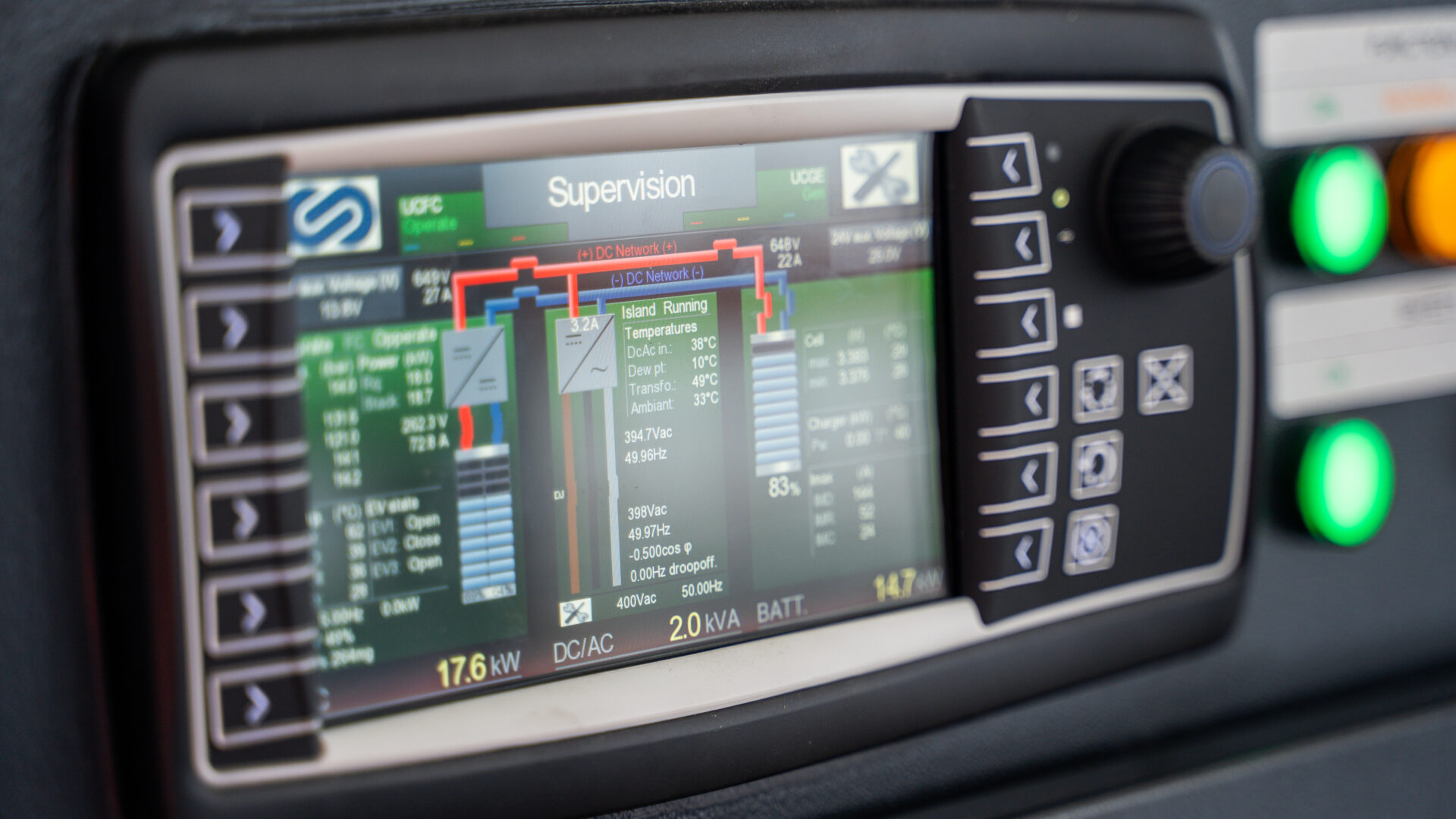
HMI (Human Machine Interface)

An interface for monitoring machine operating data and simplified parameterization.
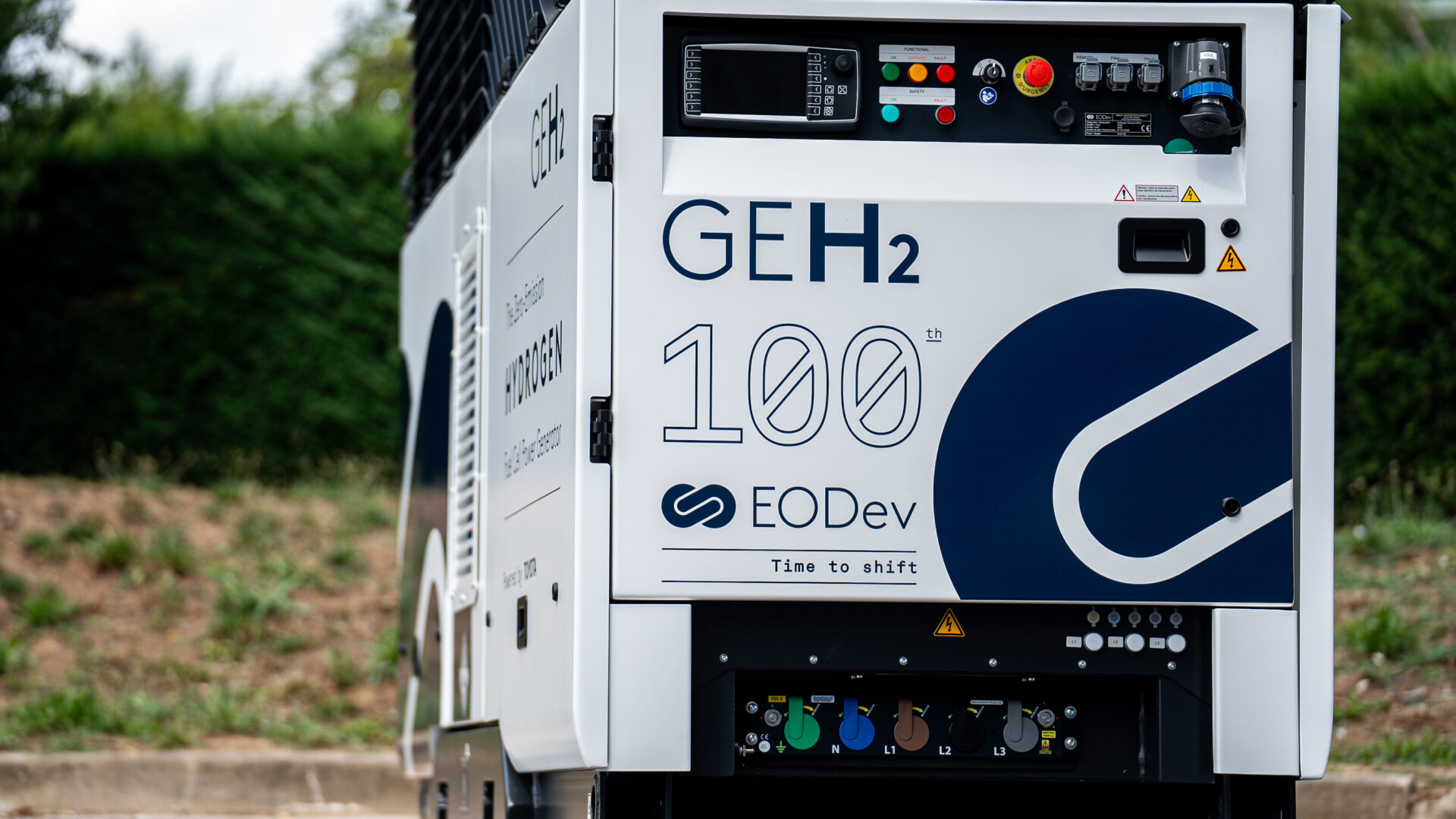
 

Powerlocks sockets

The group has five sockets for quick and safe connection.
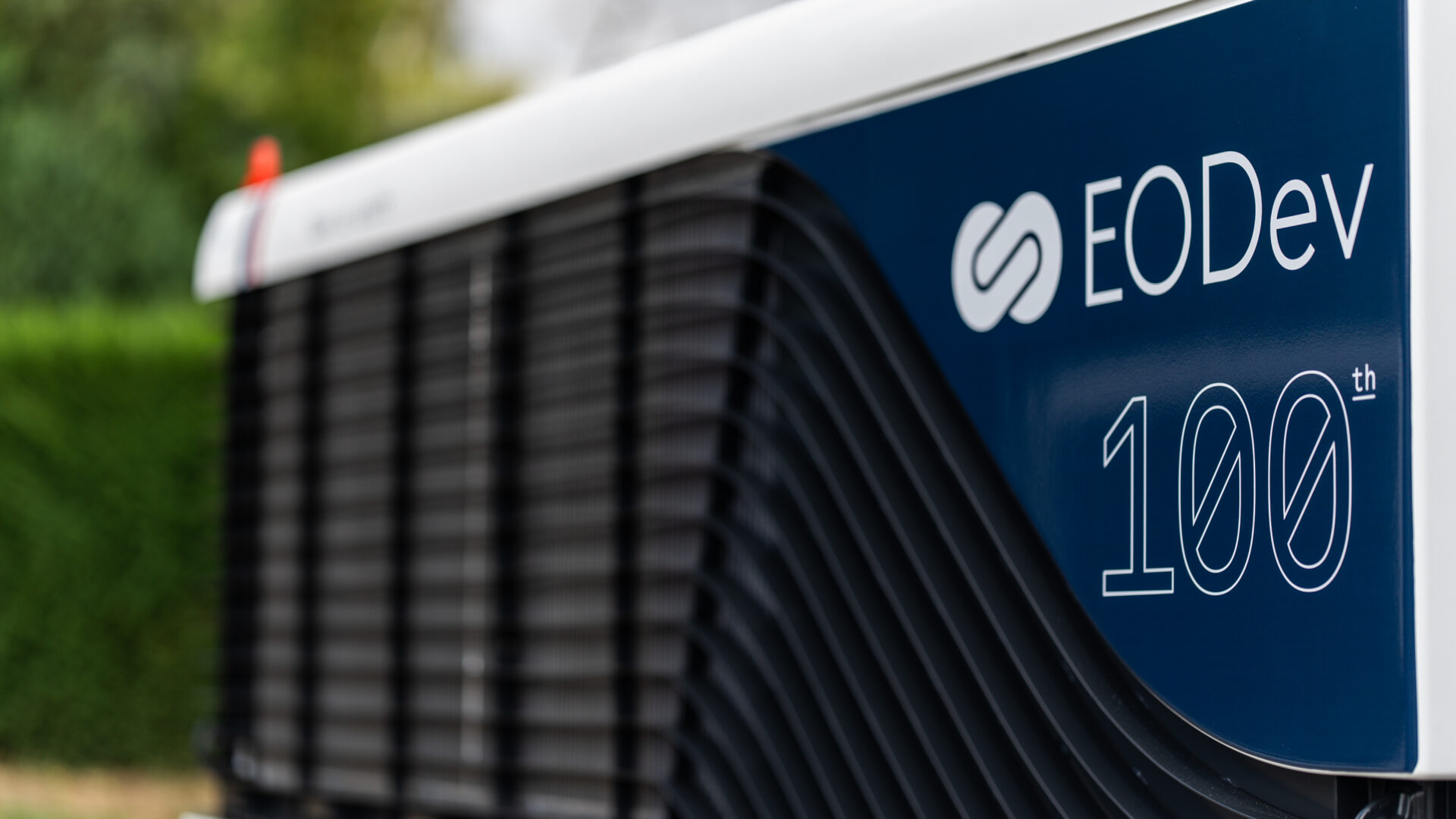
 

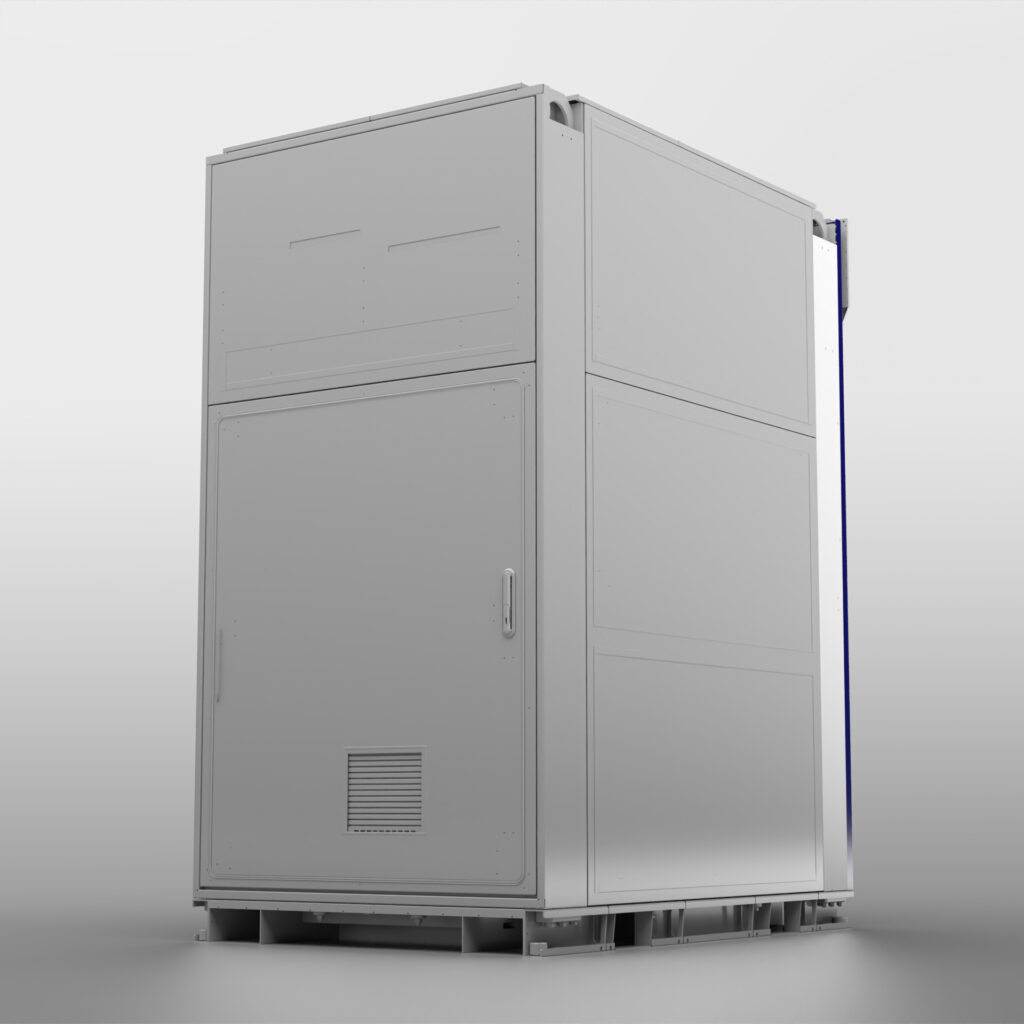
Air-cooling system

The GEH2 features an efficient, silent air-cooling system for use up to 45°C degrees outside.
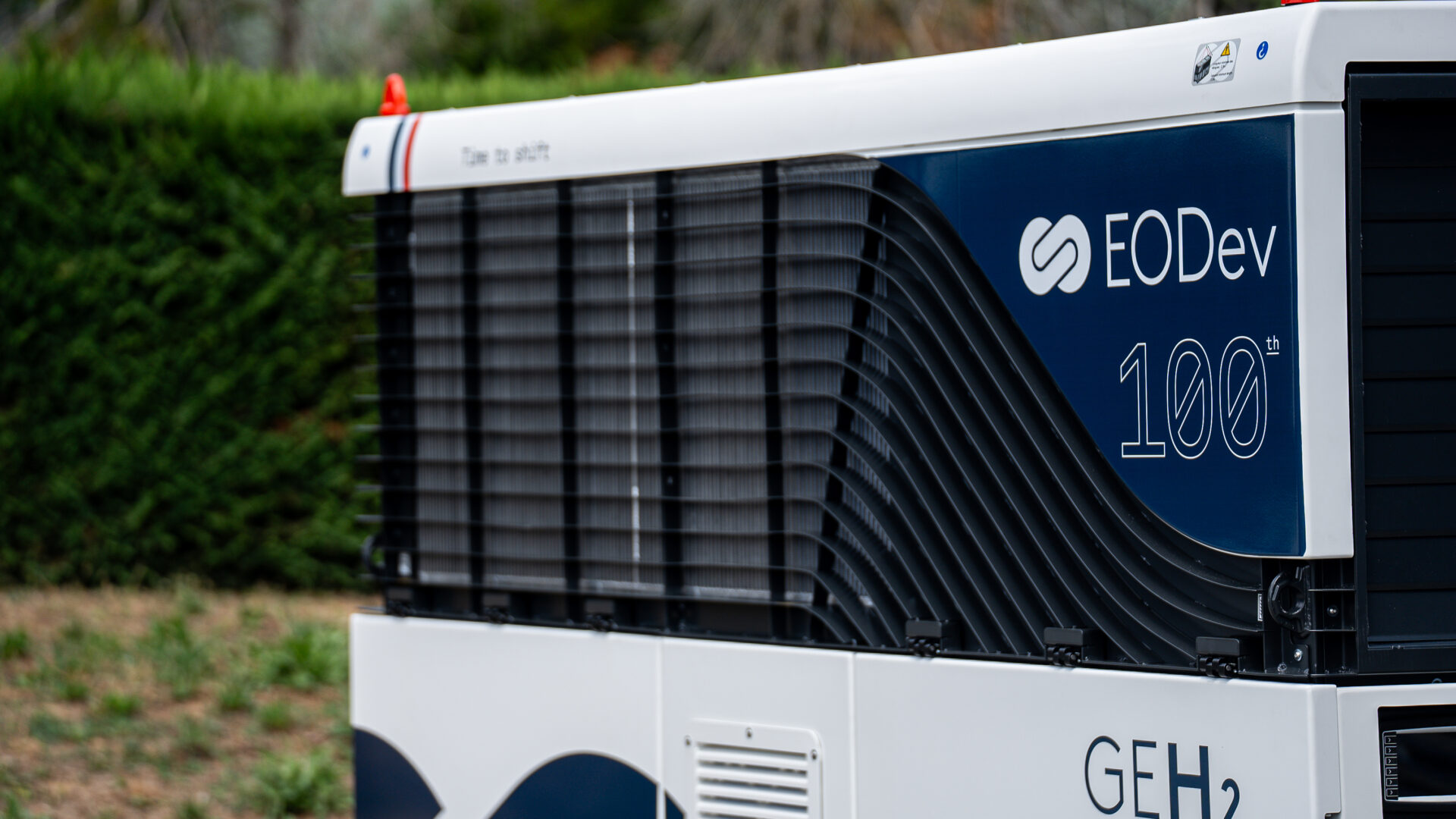
 

Four sling rings


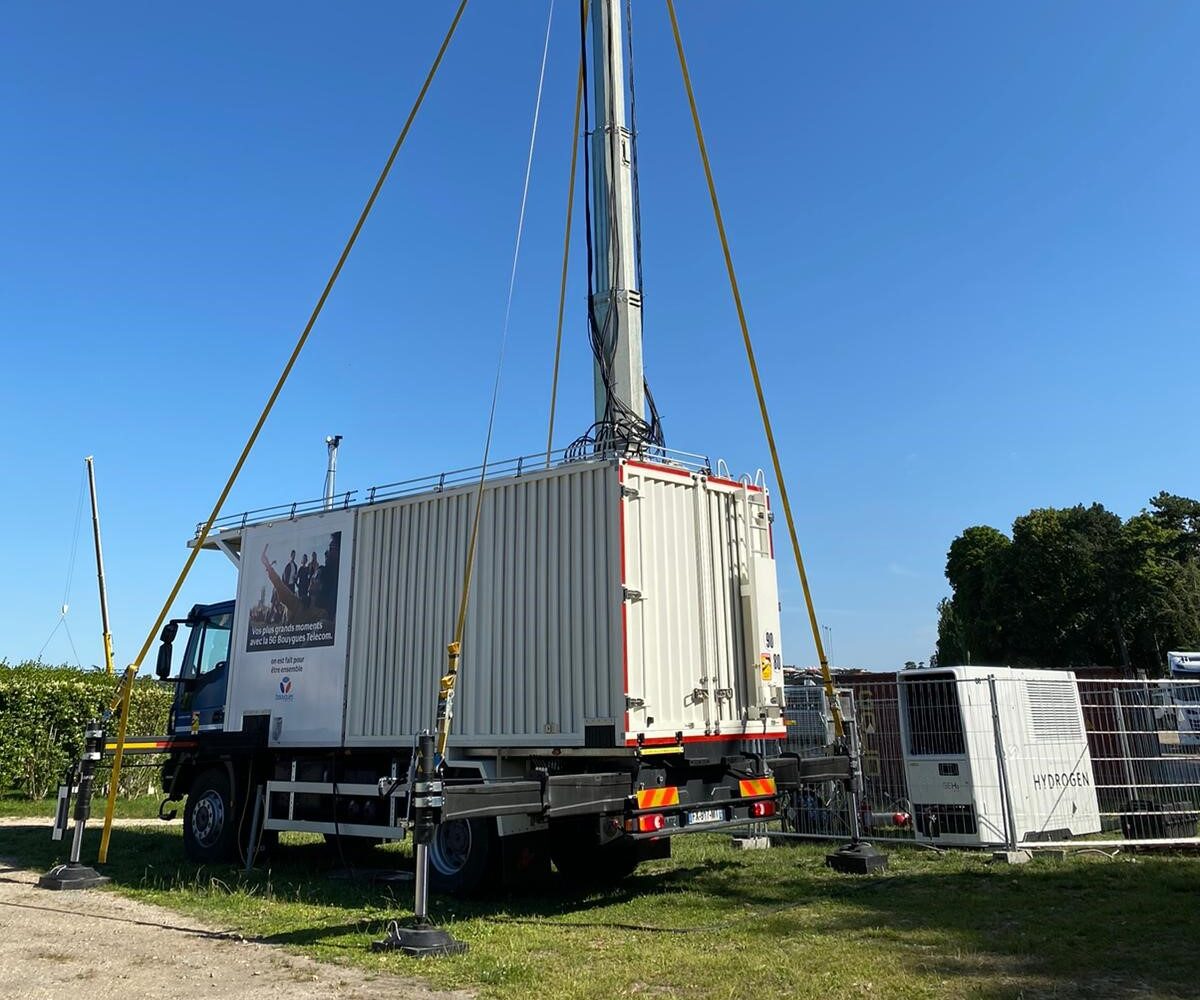
Mobile, the group can be handled by crane in complete safety, thanks to its attachment system via four slings on the roof.
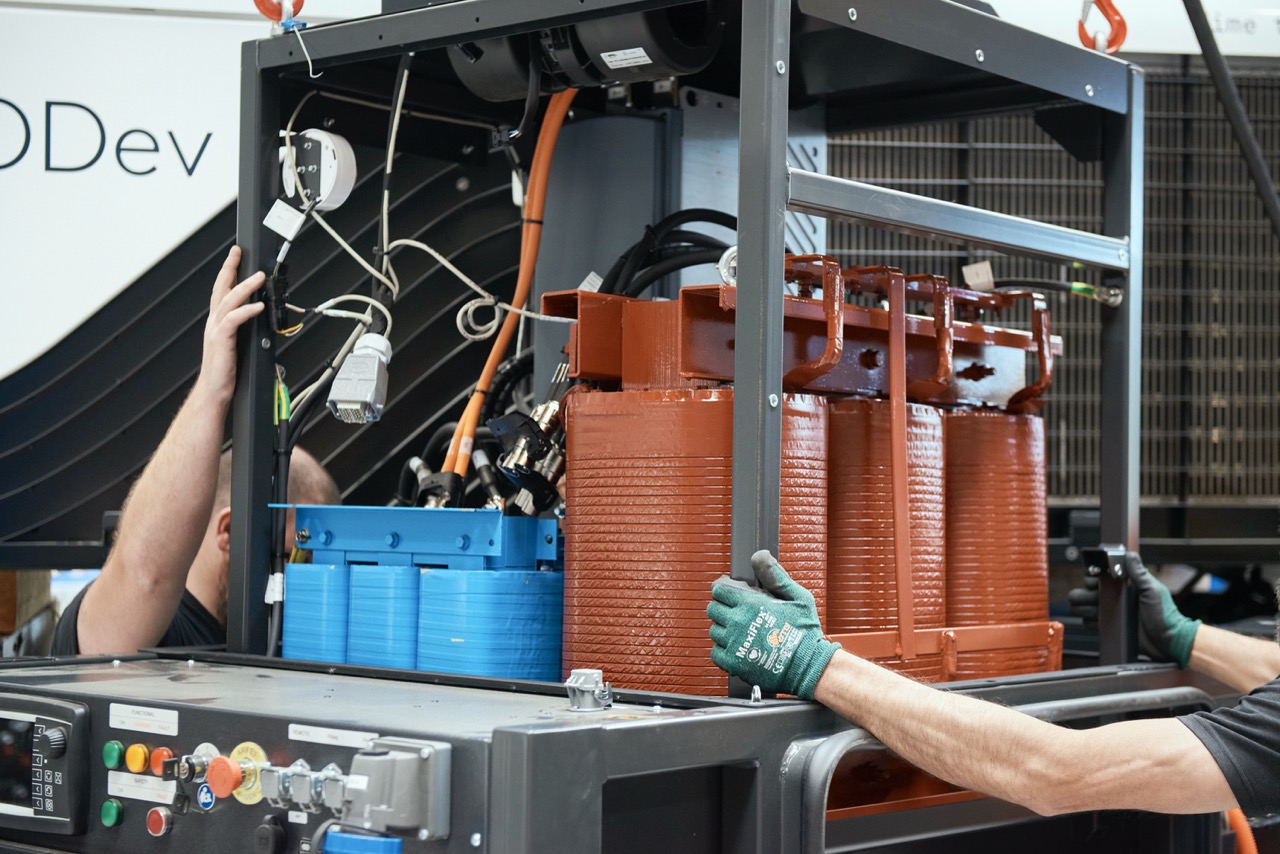
 

Power conversion


The GEH2 is equipped with a DC/AC power conversion system that transforms direct current into alternating current.
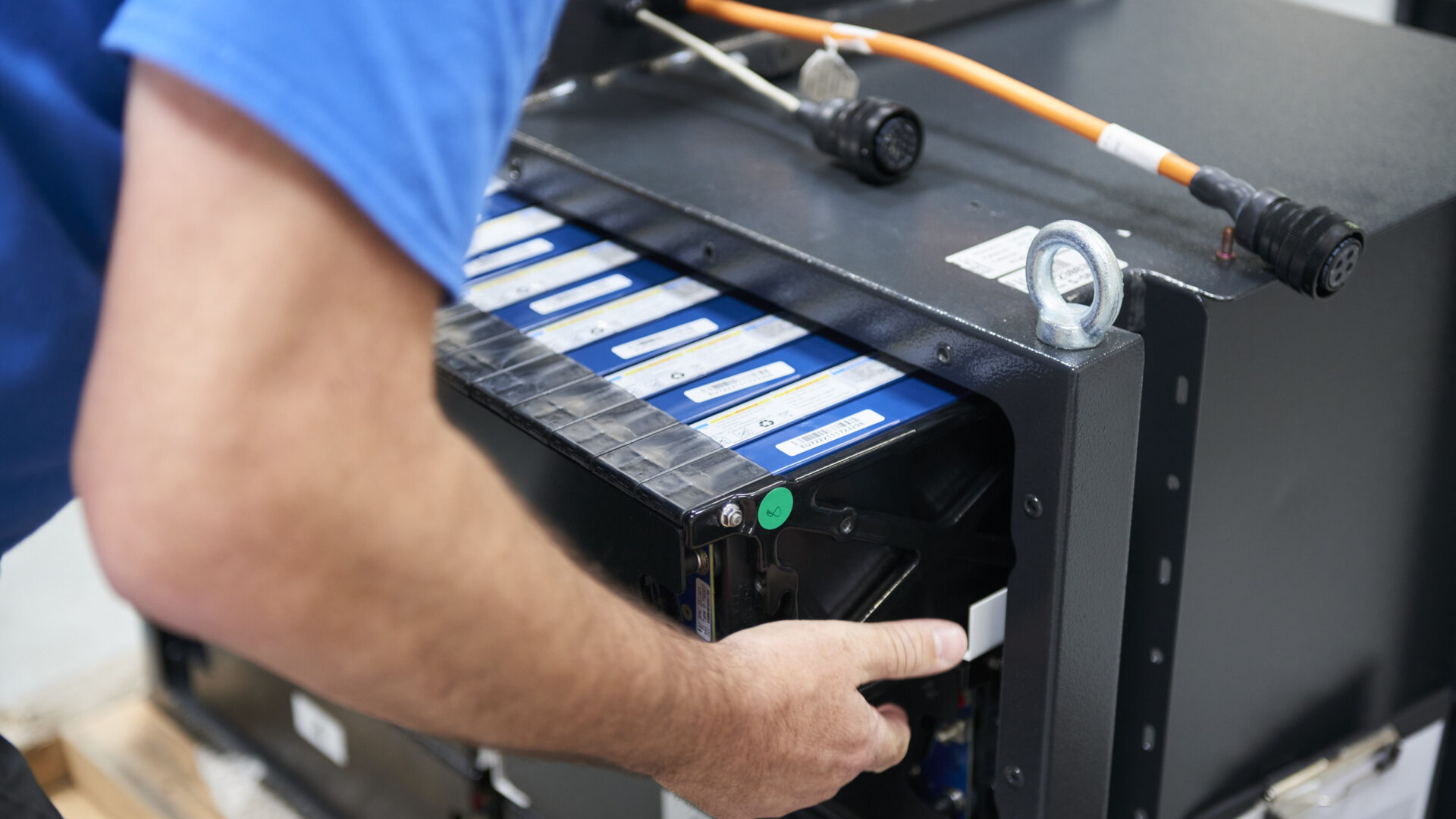
 

Battery


With capacities ranging from 44 kW to 62 kW, the GEH2’s Lithium Iron Phosphate battery enables the generator to absorb peaks in power demand instantly.
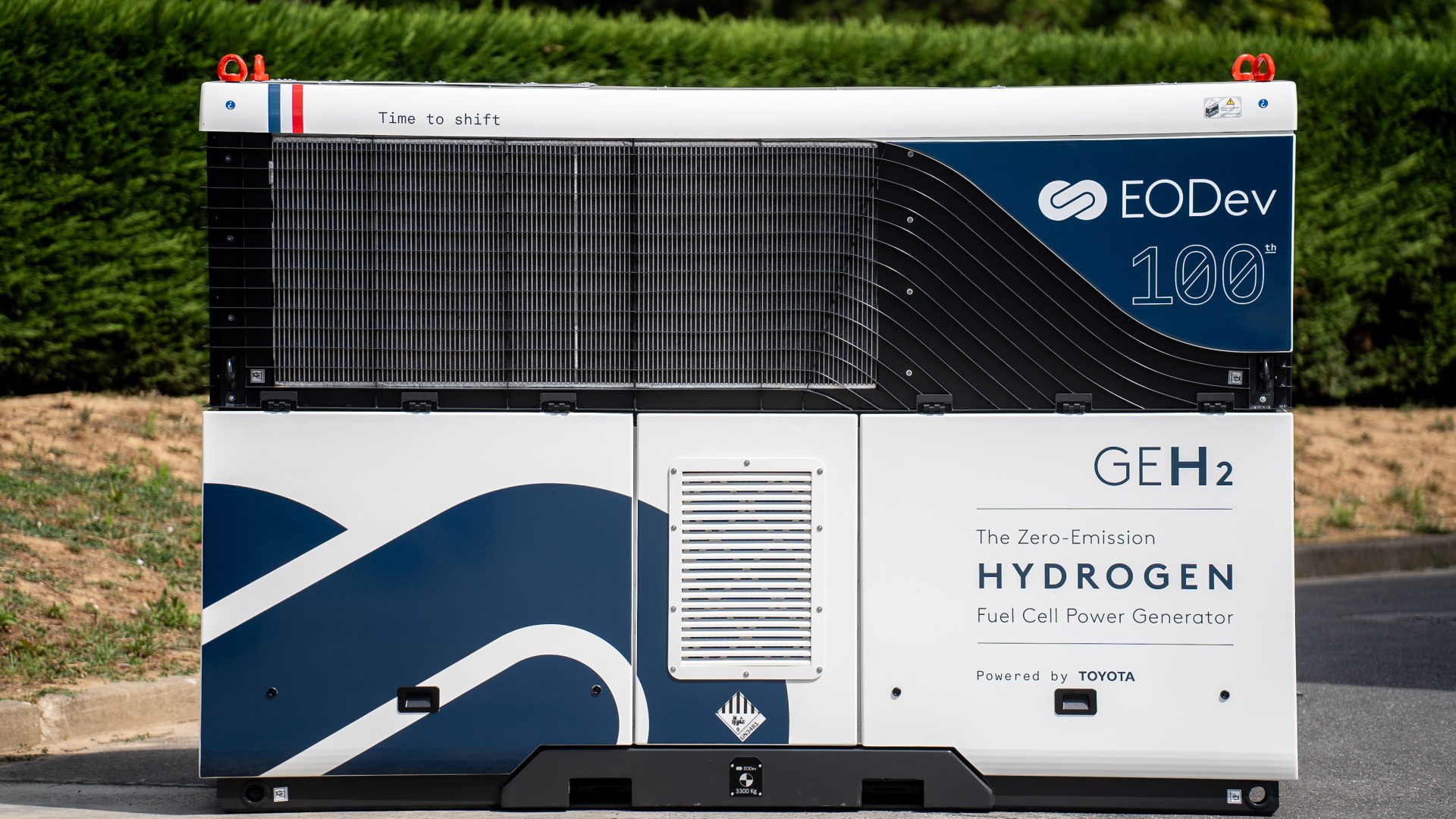
 

Robust chassis

Chassis equipped with four easy-access lashing rings, forklift-transportable.
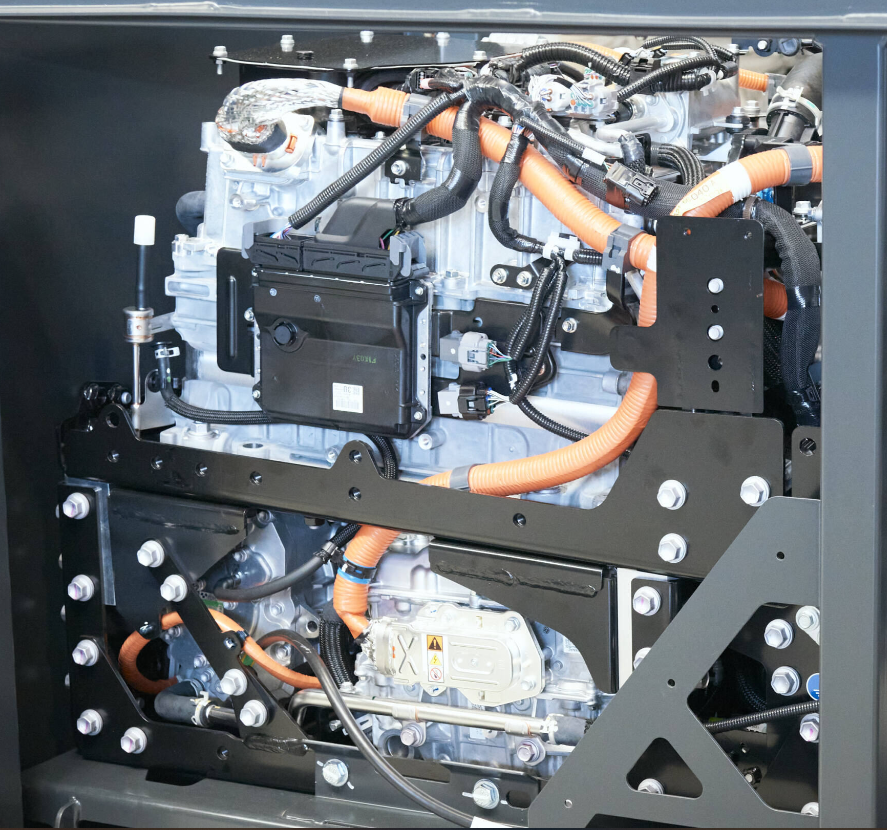
 

Fuel cell

The group is equipped with Toyota’s latest-generation fuel cell, the same one used in the Mirai since 2014, a guarantee of quality for your applications.


600kW system / 75kW per unit

400 VAC

50 Hz – 60 Hz

-20°C to 45°C

1500 x 1738 x 9195 mm

Natural gaz of Hydrogen

3.25 tons

Download the on-line brochure

Draft visuel SOFC

Silent

Solar hybridization

Maximize uptime & renewables

Fuel Flexibility

Intelligent balancing

Automatic load management

Predictive intelligence

Grid maintenance

Full island mode capacity

A dedicated support team

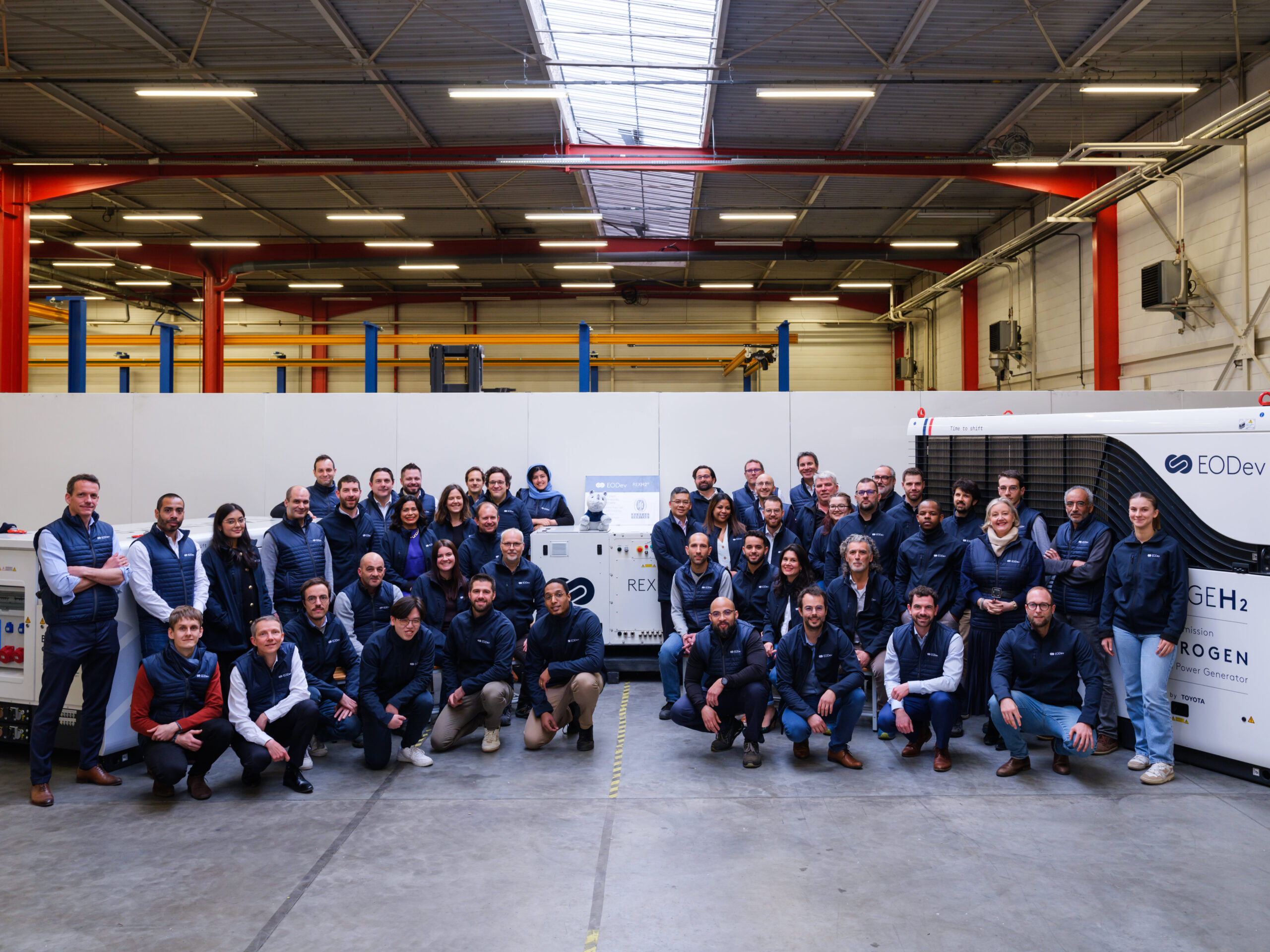
Reliability, quality, and durability are the core values driving the experts of the Blue Tech Energy Crew : our technical support team. They support you at every stage with streamlined management and a turnkey offer that includes administrative assistance, training, and on-site maintenance.
You have a question,
we have the answer.

Interested by our products?

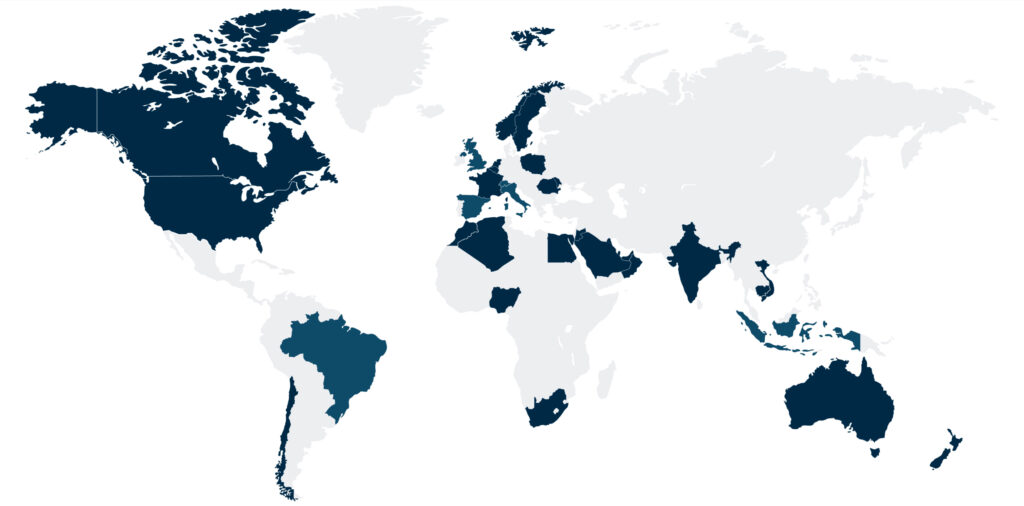
Find a distributor in your area

You have a question,
we have the answer.

What is hydrogen used for ?

Until now mainly used as a raw material for chemistry and petroleum refining, hydrogen is more and more identified as an energy vector of the future because of its storage capacities and the fact that its use does not emit any CO2. It is presented today as a possible substitute for hydrocarbons, and an effective means of facilitating the integration of renewable energies. While more than 95% of the 75 million tonnes of hydrogen produced per year worldwide are derived from fossil fuels, new technologies for producing carbon-free hydrogen continue to mature. The production of hydrogen from biomass or by electrolysis is supported by the emergence of new demand for “green hydrogen”.

In industrial applications, the use of carbon-free hydrogen is expected to occur in processes traditionally using fossil hydrogen, such as ammonia production and petroleum refining, but also in new processes as a substitute for other fossil materials. Projects to experiment with new ways of integrating carbon-free hydrogen or upgrading fatal hydrogen into production chains have multiplied in recent years, and the 2019 climate energy law sets a target of 20 to 40% of low-carbon and renewable hydrogen by 2030.

In transport, hydrogen vehicles represent a suitable alternative to meet the challenges of sustainable mobility. They only release water, have a range equivalent to a combustion vehicle and recharge quickly. In addition to the multiplication of the number of hydrogen car models, the year 2019 has been marked by the acceleration of the dynamics of the hydrogen railway with the multiplication of orders for the train developed by Alstom, and by the growing interest of local communities for the deployment of hydrogen bus lines.

As part of an increasingly renewable future electricity mix, the hydrogen energy vector makes it possible to compensate for the intermittence of renewable energies by storing, in gaseous form, the excess electricity produced during periods of high production and low consumption (Power to Gas). The energy storage made possible by hydrogen also makes it relevant to extend the perspectives of self-consumption to the scale of a house, a building or a village.

Advantages of hydrogen over an “all battery” solution?

While batteries provide immediate short-term energy, hydrogen acts as a long-term range extender. The example of the Energy Observer vessel illustrates the huge advantage of hydrogen compared to batteries in real life. While the battery park weighs 1400kg for 112 kWh, the hydrogen storage and the fuel cell weigh a total of 1700kg for 1000 kWh. Comparing energy per kilogram, 1kWh therefore weighs 12.5kg when stored in batteries, and only 1.7kg when stored as hydrogen. In other words, this means that for equal weight, hydrogen storage contains 7.35 times more energy than battery storage, which is a considerable asset for mobility, whether maritime, land, or even air. For more details, see also the application example developed on board the Hynova 40, and the article on fuel cell – battery hybridization to be found HERE.

How much energy does hydrogen contain ?

In terms of “contained” energy: 1 kg of H2 = 11 Nm3 = 13.6L of liquid H2 = 23.3L of H2 at 700 bars and contains 33 kWh of energy produced by 52 kWh of electricity (in industrial practice, the yield is 63% by electrolysis before compression or liquefaction). One liter of liquid H2 weighs 73.5 g and contains 2.4 kWh so 4 liters of liquid H2 = 9.6 kWh. A liter of H2 at 700b weighs 43g and contains 1.4 kWh so 7 liters of H2 at 700b = 9.8 kWh. We deduce in terms of energy (approximately): 1 liter gasoline = 9 kWh = 3000L of H2 (at Patm) = 7L H2 / 700b = 4L of liquid H2 / -253 ° C.

How is used hydrogen ?

Currently, 95% of the hydrogen produced in France is of fossil origin, as is nearly 99% of that produced in the rest of the world. This hydrogen is most often obtained from the process of steam reforming methane, the main component of natural gas. Each kg of hydrogen produced this way emits 12 kg of CO2, and its cost price varies from 1 to 2.5 € per kg. Almost 45% of world production comes from this technique.

About 25% of hydrogen production comes from “co-production” of refined products from hydrocarbons, which is then called “fatal” hydrogen. Its production cost is variable since in this instance it is a “waste” from the production of other chemical elements, and therefore its carbon footprint is too.

A third method uses coal, burnt at very high temperature (1200 to 1500 ° C) to separate the hydrogen – which should be called dihydrogen H2 – from CO2, in the form of gas. This production, about 30% of the total, makes it possible to obtain hydrogen whose cost price per kg varies between 1.5€ and 3€ per kg, but releases 19 kg of CO2 per kg of hydrogen.

These are industrial models that make “gray” hydrogen. “Green” hydrogen, which only contributes less than 1% of world production (around 5% in France), comes from the use of low-carbon or renewable energies (solar, wind, etc.). The electrolysis of water, which allows a zero carbon footprint, represented only 0.1% of global hydrogen production in 2019, due to a relatively prohibitive cost compared to other production methods, one kg of hydrogen costing between 3€ and 12€ for its production alone (excluding the cost of transport, distribution, etc.).

To allow the large-scale deployment of “green hydrogen”, electrolysis from a renewable energy source is one of the future undertakings , and it is clearly one of the strategies traced through the 2020 recovery plan, to make France and Europe champions of “green” hydrogen production.

Is a fuel cell like a battery ?

A fuel cell is made of metal, graphite, electrodes, and its process is effectively chemical. The REXH2® system designed by EODev is based on Toyota fuel cell technology. The Toyota fuel cell system has already proven its benefits for many years in the Mirai, but more recently also in other applications such as buses and trucks. Its use for maritime transport is once again one more step towards the development of the hydrogen society.

Contact us